Northern Europe has a rich history marked by conquests, exploration and struggles for independence, shaped by centuries of wars, alliances and colonization.
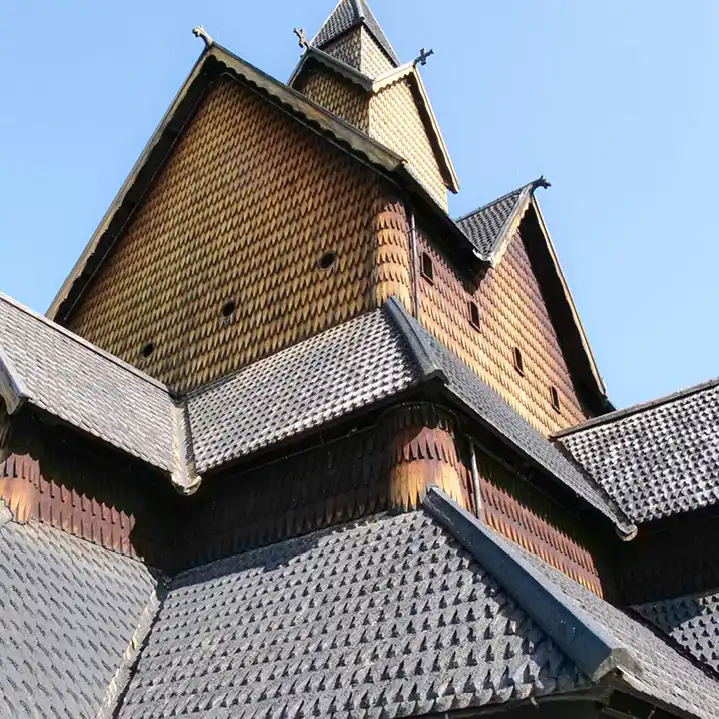
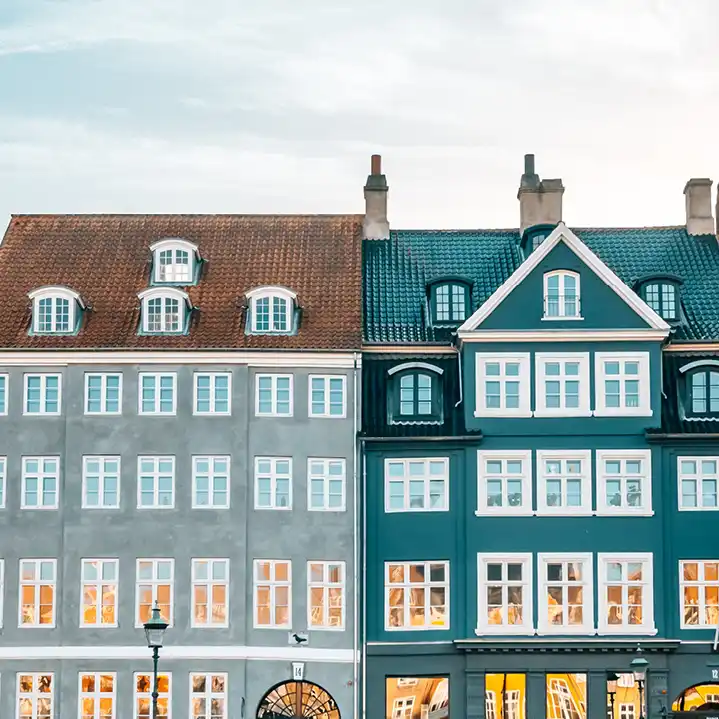
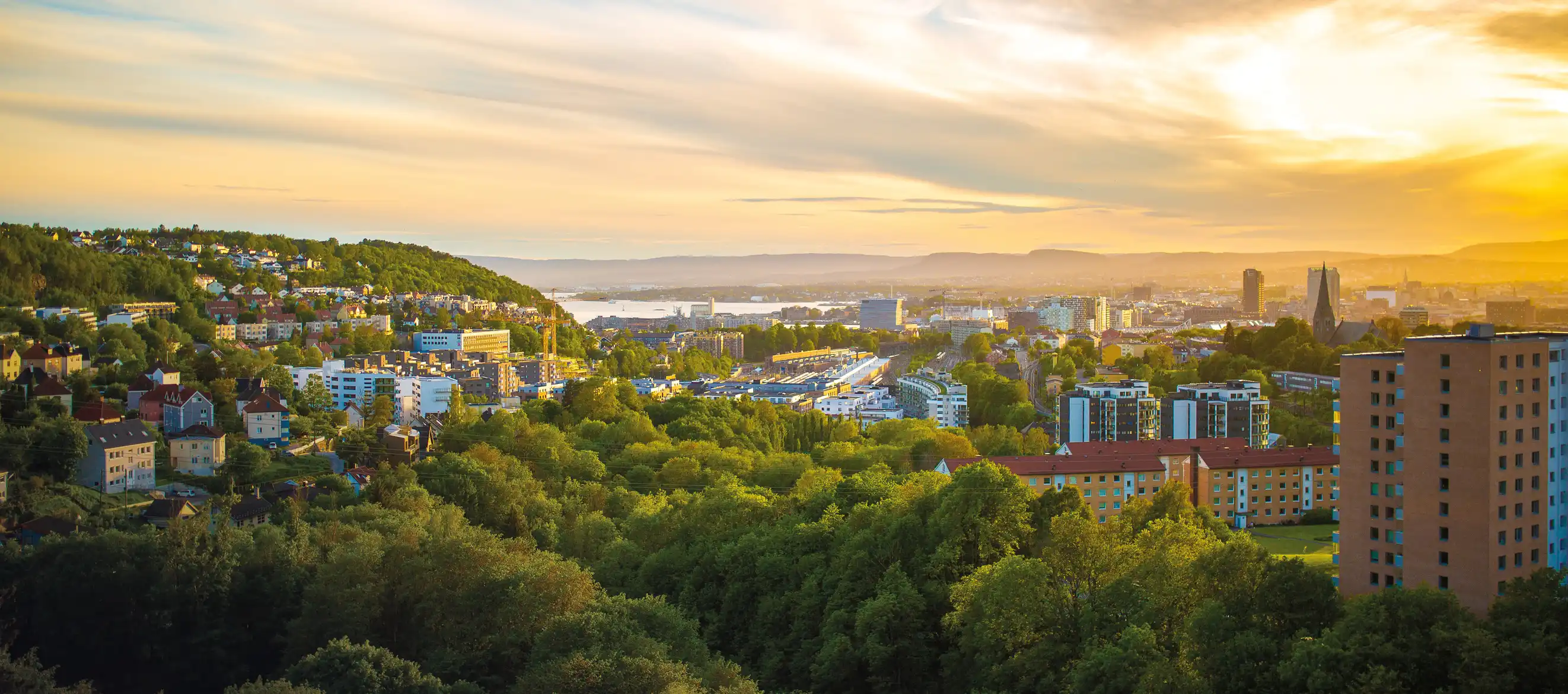
Norway, famous for its legendary Vikings, was under the rule of Denmark and Sweden before achieving its independence in 1905. Its history is deeply linked to navigation and exploration of the North Atlantic.
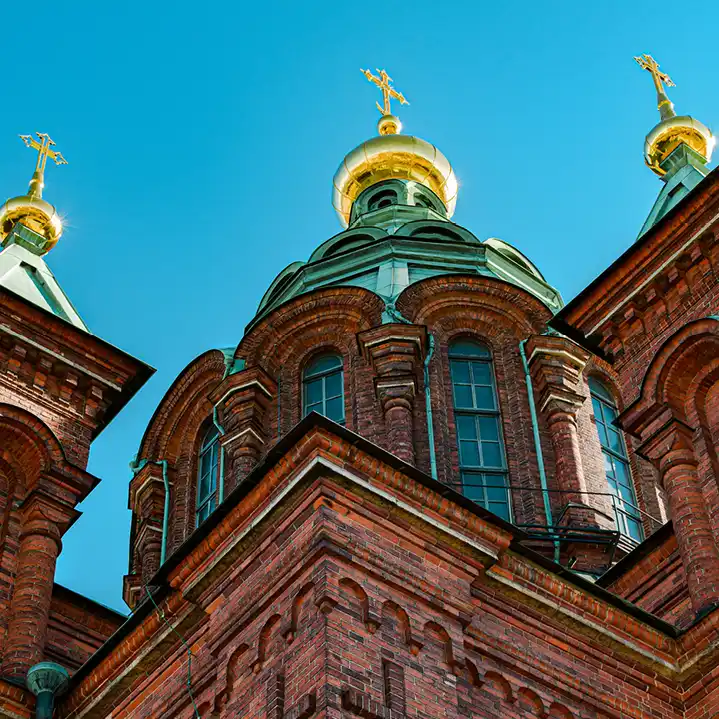
Finland also suffered external control, first by Sweden and then by Russia, until it gained its sovereignty in 1917 after the Russian Revolution. Its cultural and linguistic identity flourished amid these tensions.
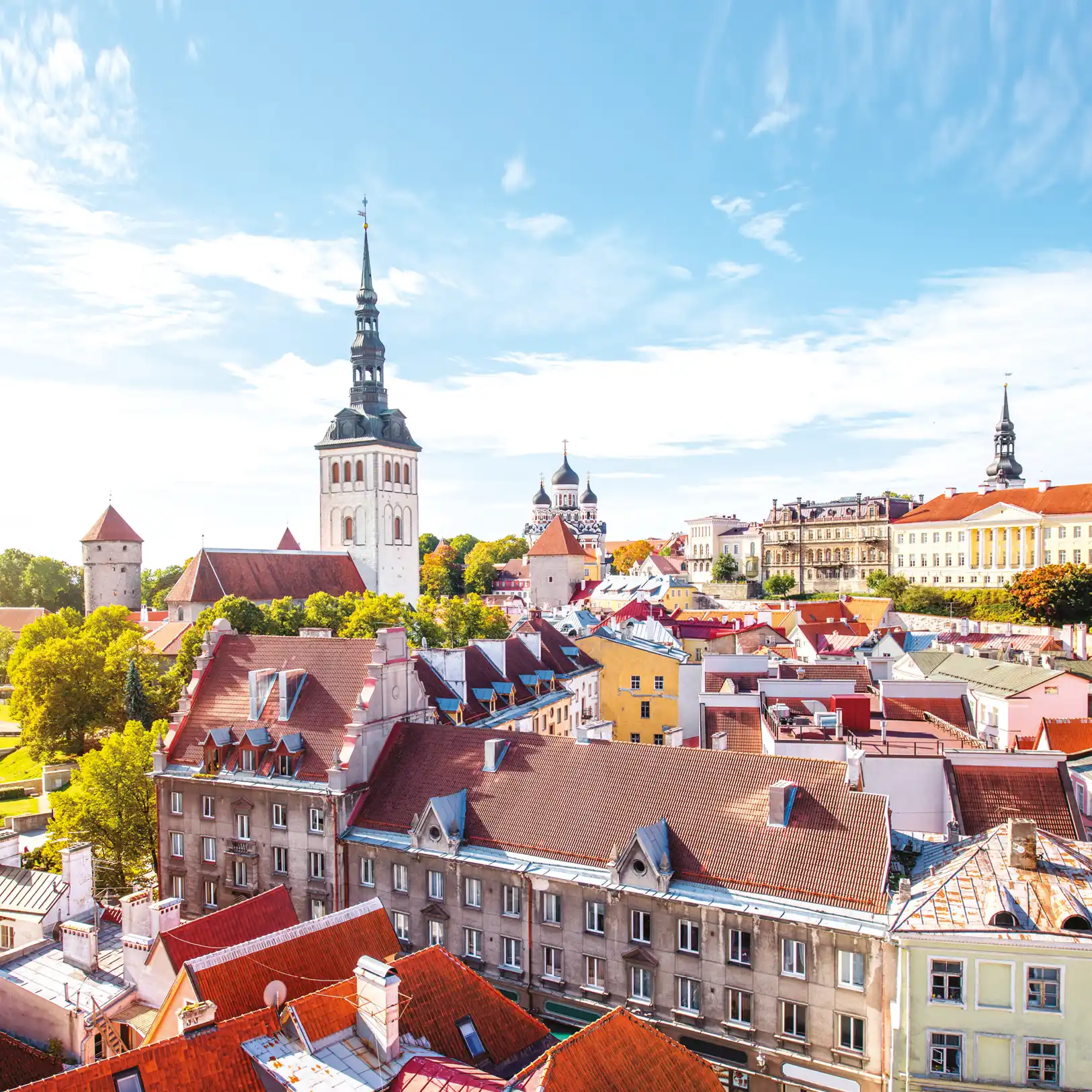
The Baltic countries, Estonia, Latvia and Lithuania, were disputed for centuries by powers such as Russia and Germany, finally achieving their independence in the 20th century after the First World War.
Iceland, initially colonized by the Vikings in the 9th century, was part of Norway and Denmark until it achieved its independence in 1944. Despite its geographic isolation, it has played a key role in Nordic exploration and culture.
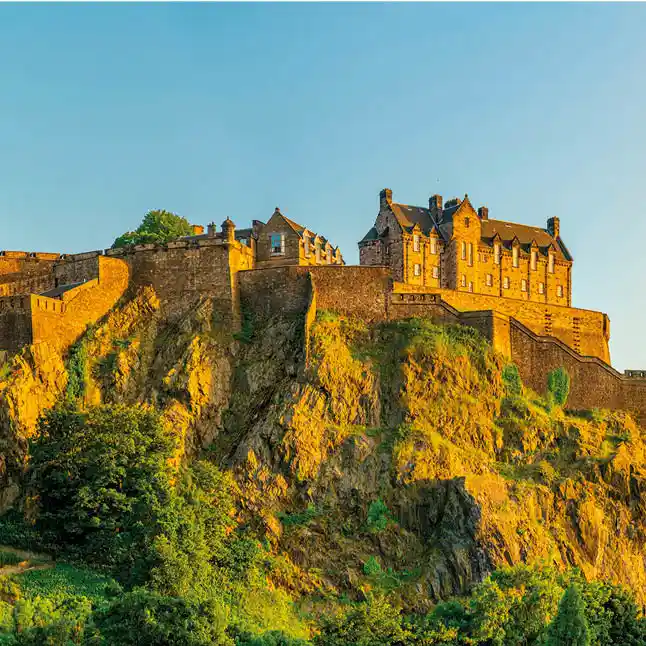
The British Isles, dominated by Romans, Normans and Vikings, emerged as a global empire in the 19th century, with a legacy of influence that persists in the modern world.